Kern County Tax Sale — Tax-Defaulted Property Auction, September 14–16, 2026 — Sale Passed
This sale is over. 1,238 tax-defaulted properties were offered by the Kern County Tax Collector, with minimum bids from $500. The Kern tax auction — also called the Kern tax sale — is a tax-deed sale: the county sells the property, not a lien certificate.
255 of the 1,238 were redeemed by their owners before the sale closed.
Search These 1,238 Tax Auction Properties
7-Day Free Trial · No Credit Card Required · One-Click Sign-In With Google
How The September 2026 Sale Went
Kern County published 1,238 tax-defaulted properties for this sale, with minimum bids from $500 to $109,500. 255 were redeemed by their owners before the close — paid in full, pulled from the sale, and back on the county's delinquent roll if they slip again.
Parcels that did not sell are usually re-offered at the county's next sale, often at a lower minimum, and the owners who redeemed stay on the delinquent roll until they are current — which is why the list for the next sale starts forming the day this one closes.
Next: Kern County tax sale — dates, past sales and the pipeline →
How This Tax Auction Works
The county tax collector runs this sale directly. Registration, deposit and bidding rules are published in the county’s own sale notice — read it before sale day.
- Sale Dates
- September 14–16, 2026
- Deposit
- $5,000
- How Often Kern County Sells
- Annual, spring (Mar)
- Redemption Cutoff
- 5:00 p.m. the last business day before the sale
What's On The Block
| City / Area | Lots | Minimum Bids |
|---|---|---|
| California City | 677 | $500 – $34,100 |
| Rosamond | 119 | $1,500 – $37,500 |
| Mojave | 99 | $700 – $31,300 |
| South Kern | 53 | $800 – $12,900 |
| Tehachapi Outside | 39 | $1,000 – $34,000 |
| Taft Outside | 28 | $700 – $109,500 |
| Ridgecrest | 24 | $1,200 – $106,900 |
| Muroc | 24 | $800 – $20,800 |
| Bakersfield | 21 | $2,800 – $109,200 |
| Sierra Sands | 15 | $1,000 – $33,500 |
| Lake Isabella | 15 | $2,400 – $80,100 |
| Boron | 12 | $1,900 – $74,500 |
| Frazier Park | 12 | $800 – $39,900 |
| Kern County | 11 | $800 – $21,100 |
| + 28 more areas | ||
By Property Type
By Minimum Bid
| Under $1,000 | 48 |
| $1,000 – $5,000 | 821 |
| $5,000 – $25,000 | 303 |
| $25,000 – $100,000 | 55 |
| $100,000 and up | 3 |
The Profile
One click. The whole picture.
The Tax Auction House
The only CA-dedicated tax auction tracker & due diligence platform
With every property attached to a full due diligence profile — owner, liens, equity, comps, and the full recorded history — so you can vet each sale before you bid, not just track it.
Every sale date. Tax auctions and trustee sales statewide, on one calendar.
Every parcel. Auction properties linked to full records, equity, and comps.
Every contact. Trustee names, sale numbers, and phone numbers to verify.
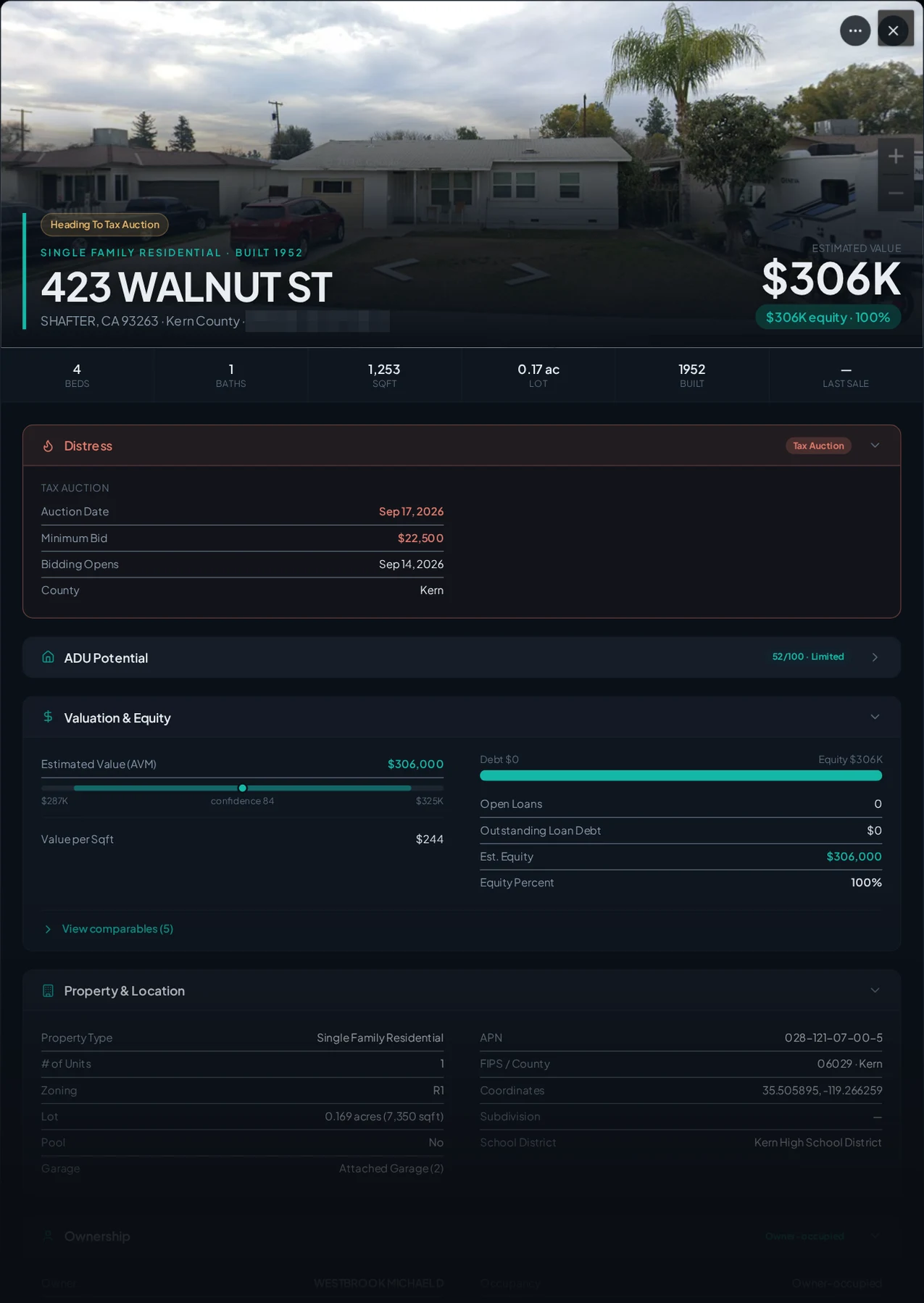
What Is Actually On This List
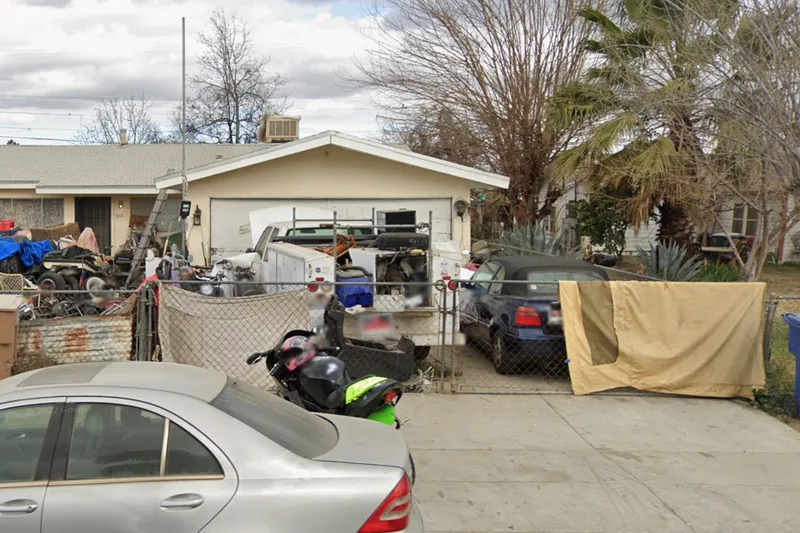
Four properties from Kern County’s September 2026 sale, as they stand today. Boarded, emptied, and still owned by someone who can be reached before the sale.
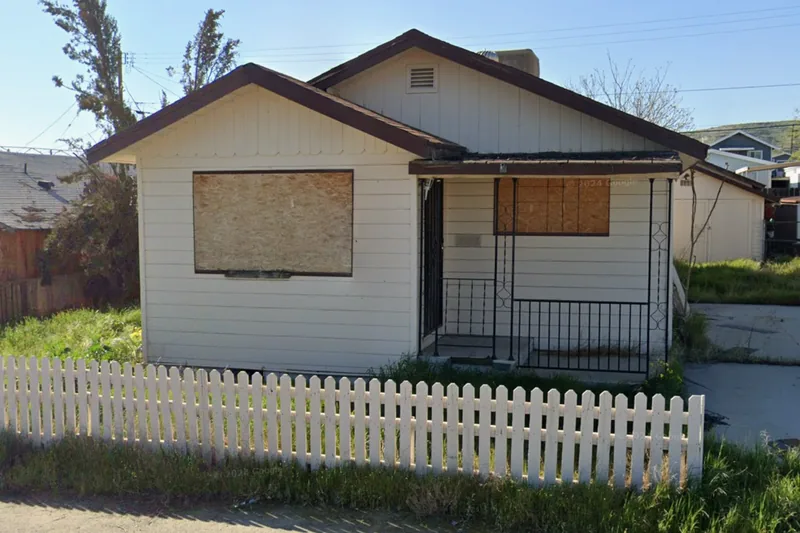
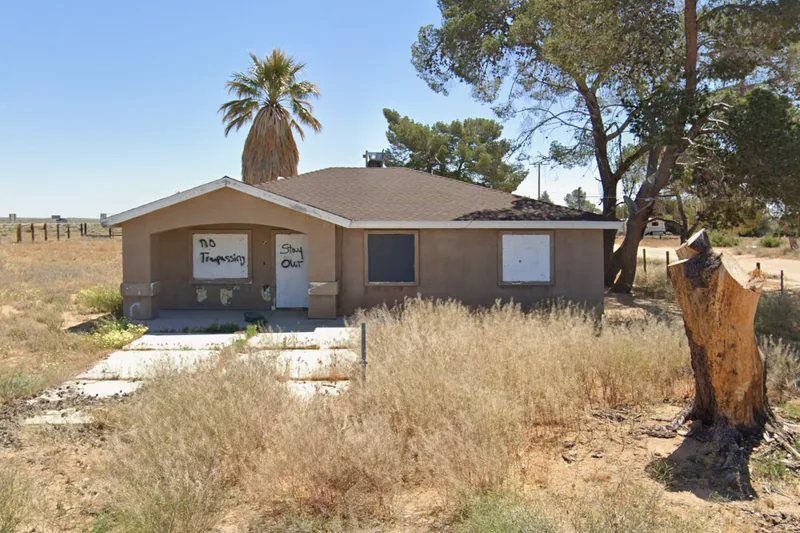
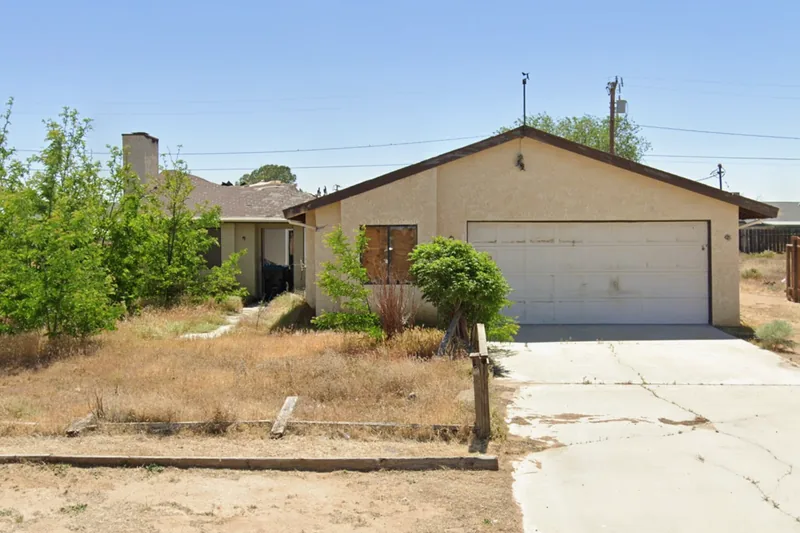
Before You Bid
The list shrinks until the eve of the sale — and what reaches the gavel is bought in a crowd. An owner can redeem by paying everything owed up to 5:00 p.m. on the last business day before the auction, and redeemed parcels come off the list. Lenders often step in and pay, because a completed tax sale wipes out their deed of trust. The investor who wins is usually the one who reached the owner first: an off-market deal agreed before sale day, the taxes cleared at closing, no bidding war. Properant gives you the owner of record and mailing address, every open loan and the estimated equity, and skip tracing for each lot on this list — so you can make that call now instead of waiting for the auction.
The money is made before sale day, and that takes the owner — not the lot number. The county publishes a list of parcels. Properant turns it into the people behind them: owner of record and mailing address, phone and email through built-in skip tracing, every open loan against the parcel, and the equity that is actually left. An owner sitting on real equity has every reason to sell rather than lose it at auction, and you are the one who called. Work the list weeks out, agree a price, clear the taxes at closing — the parcels that reach the gavel are the ones nobody reached first.
A tax deed wipes out most liens — but not a federal tax lien. A completed sale extinguishes the private encumbrances: deeds of trust, HOA liens, judgment liens. What follows the property is the IRS: a recorded federal tax lien survives the sale and gives the government 120 days to redeem the parcel from the buyer. Some assessments and bonds also carry over. Properant shows the recorded liens on each lot — loans, HOA, judgment and mechanics liens, and federal and state tax liens — and whether each one is still open, so you know before you bid whether the sale clears the title or hands you an IRS redemption window.
Frequently Asked Questions
When is the Kern County tax auction?
Kern County’s September 2026 tax-defaulted property sale ran September 14–16, 2026 and is closed. The county typically sells annual, spring (Mar). Upcoming sales statewide are on the California Tax Auctions page.
Is this a tax lien sale or a tax deed sale?
A tax deed sale. California does not hold tax lien sales or tax lien auctions — no county here sells lien certificates to investors, so there is no interest rate to bid down and no lien position to redeem later. Kern County is selling the property itself at a tax-defaulted land sale, and the winning bidder walks away with a recorded tax deed. If you have bid at a tax lien auction in Florida, Arizona or New Jersey, this is the other kind of sale entirely: you are buying the real estate on the day, not a claim against it.
How many properties are in the Kern County tax sale?
1,238 tax-defaulted properties were published for the sale — 1,107 vacant land, 120 residential, 4 commercial, 3 agricultural. 255 of them have since been redeemed by the owner and pulled by the county. Owners can redeem right up to the eve of the sale, so the list moves — Properant tracks it daily and marks every redeemed lot.
What are the minimum bids?
Minimum bids run from $500 to $109,500. 48 lots under $1,000; 821 lots at $1,000 – $5,000; 303 lots at $5,000 – $25,000; 55 lots at $25,000 – $100,000; 3 lots $100,000 and up. The minimum is set by the county to cover the taxes, penalties and costs owed on each parcel.
How do I register to bid?
The county tax collector runs this sale directly. Registration, deposit and bidding rules are published in the county’s own sale notice — read it before sale day. Deposit: $5,000.
Can the owner still stop the sale?
Yes. In California the owner (or any party with an interest) can redeem a tax-defaulted parcel by paying everything owed up to 5:00 p.m. on the last business day before the sale. Redeemed parcels are pulled from the auction — which is why the list shrinks in the final days, and why the owner is worth a conversation before sale day.
What does the winning bidder get?
A tax deed from the county. California is a tax-deed state, so a completed tax sale conveys title free of the private liens — deeds of trust, judgment liens and HOA liens are extinguished. A recorded federal tax lien is the exception: it survives the sale and carries a 120-day IRS redemption window. Certain assessments and bonds also carry over. The sale can be challenged for one year after the deed records, so most title insurers wait a year or require a quiet-title action before insuring a resale.
How do I research a lot before I bid?
Start with the county record: who owns it, every recorded lien and where it sits in priority, how many years of taxes are unpaid, and whether the parcel is improved or raw land. Properant links every lot in this sale to its full property profile — owner of record, open loans and liens, equity and the recorded timeline — so you can screen the whole Kern County list before sale day.
More Kern County & California
Work Kern County Before Its Next Tax Sale
This page is one slice of it. Properant connects every parcel in California to its owner, open loans, liens and foreclosure stage — then scores and skip-traces the ones worth calling.
Want to search these 1,238 tax auction properties?
Explore the live Kern County tax auction database in Properant.
See the Live List→7-Day Free Trial · No Credit Card Required